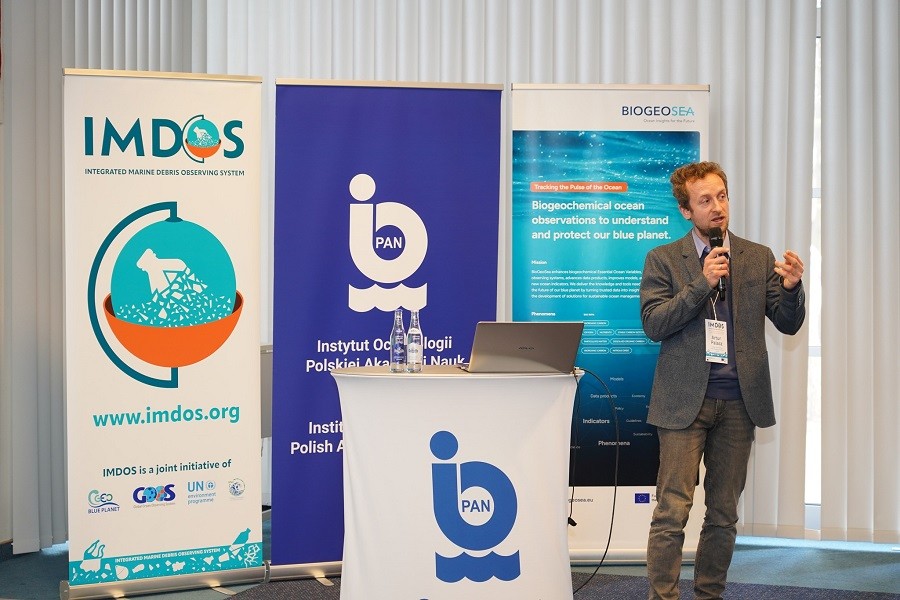
At the Institute of Oceanology Polish Academy of Sciences in Sopot, the annual meeting of the Steering Committee of the Integrated Marine Debris Observing System (IMDOS) is taking place.
On 19–20 March, experts from around the world are working together on:
▪️ strengthening the role of IMDOS within the global marine debris observing system
▪️ improving coordination of activities and harmonisation of data
▪️ developing monitoring standards (including microplastics, seafloor litter, and beach debris)
▪️ preparing an action plan for the coming years
In parallel, discussions are ongoing on the future development of IMDOS, including its scope of activities, community engagement, and the advancement of tools and data infrastructure.
This marks an important step towards building a coherent, global system for observing marine pollution.
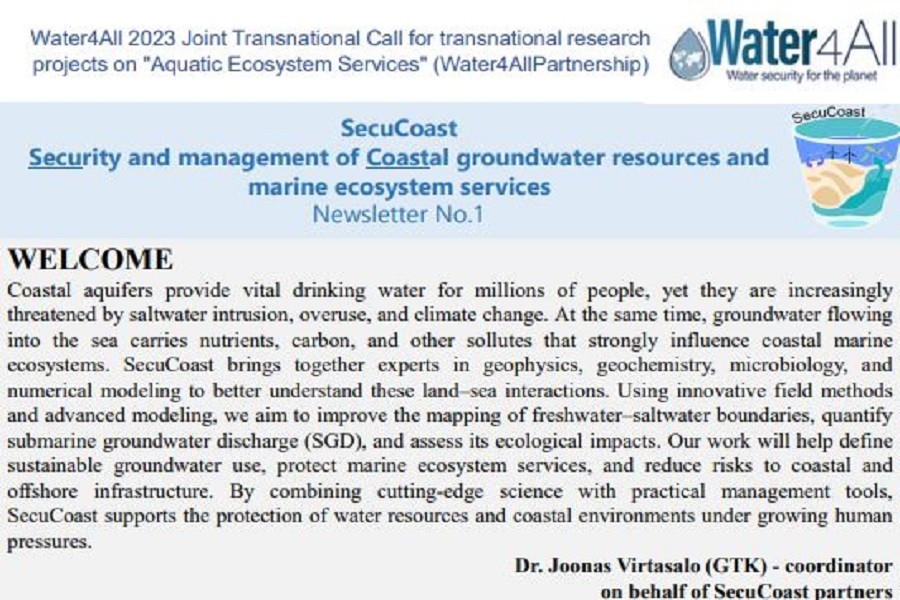
The SecuCoast project consortium has published the first project newsletter. The publication presents key information about the project, its objectives, partners, and the first activities carried out within the initiative.
We invite you to read the first issue of the newsletter and follow upcoming updates from the project.
The SecuCoast project is funded by the European Union's Horizon Europe Programme under the 2023 Joint Transnational Call of the European Partnership Water4All (Grant Agreement n°101060874).
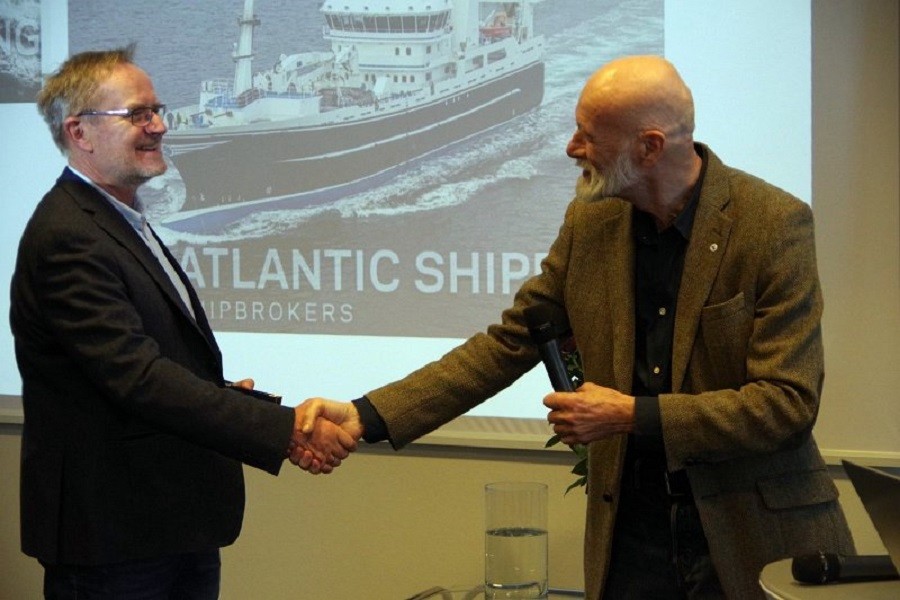
On 5 March, a meeting was held in the conference room of the Institute of Oceanology of the Polish Academy of Sciences (IO PAN) in Sopot to summarize the eight-year term of the Institute’s Director, Prof. Jan Marcin Węsławski. During the meeting, the most important achievements of the Institute in recent years were presented, along with perspectives for its development in the upcoming term.
The event was also an opportunity for the symbolic handover of the Institute’s leadership. As of 1 March, Prof. Sławomir Sagan was appointed Director of the Institute of Oceanology PAS for the 2026–2030 term.
The Institute’s community expressed its gratitude to Prof. Węsławski for many years of dedication and work for the development of IO PAN. We are also pleased that he will remain affiliated with the Institute and continue his scientific activities, including the implementation of the MARBEFES project, which he coordinates.
We wish Prof. Węsławski well-deserved rest and many successes and satisfaction in his further scientific work. We also wish the new Director, Prof. Sagan, every success in implementing his plans and in leading the Institute in the coming years.
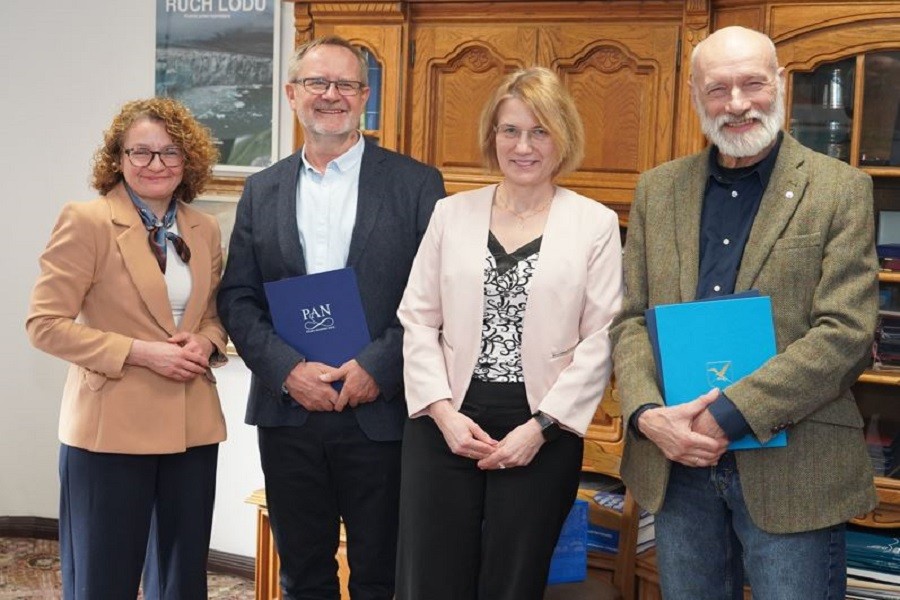
As of 1 March 2026, the Institute of Oceanology of the Polish Academy of Sciences in Sopot has a new Director. By decision of the President of the Polish Academy of Sciences, Prof. Marek Konarzewski, Prof. Sławomir Sagan has been appointed to this position. His term of office will last four years, until 28 February 2030.
The official nomination ceremony was held in the presence of the Vice-President of the Polish Academy of Sciences, Prof. Mirosława Ostrowska. The event was also attended by the outgoing Director of the Institute of Oceanology PAS, Prof. Jan Marcin Węsławski. The ceremony was further distinguished by the presence of the Mayor of Sopot, Magdalena Czarzyńska-Jachim, whose participation highlighted the importance of the Institute of Oceanology PAS for the city and the strong, long-standing partnership between the Sopot local government and the Institute.
We warmly congratulate the new Director and wish him every success in achieving the Institute’s strategic goals and in further strengthening the position of IO PAS both nationally and internationally.
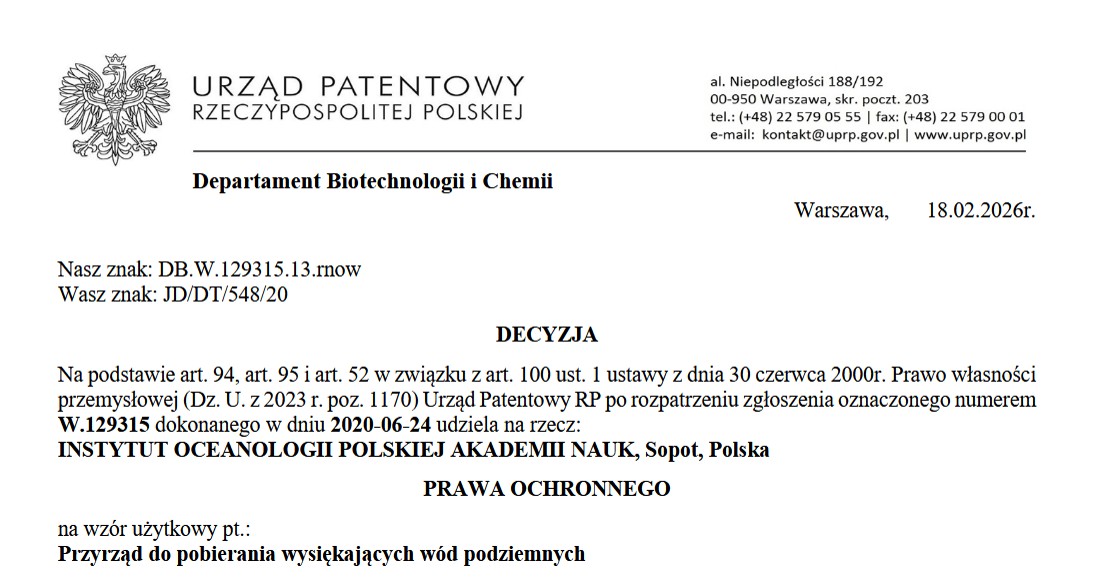
We are pleased to inform that the Patent Office of the Republic of Poland, Department of Biotechnology and Chemistry, has granted the Institute of Oceanology of the Polish Academy of Sciences in Sopot a utility model protection right for the invention titled 'Device for Sampling Discharging Groundwater'.
The protection right was granted on the basis of application No. W.129315, filed on 24 June 2020.
The authors of the solution are Assoc. Prof. Beata Szymczycha and Prof. Lidia Dzierzbicka-Głowacka.
We warmly congratulate the Authors on this achievement and wish them continued success in their scientific and implementation activities.

It is with deep sadness that we received the news of the passing of Professor Janusz Borkowski from the Institute of Geophysics of the Polish Academy of Sciences, who died this morning at the age of 88.
Professor Janusz Borkowski served for many terms as a member of the Scientific Council of the Institute of Oceanology of the Polish Academy of Sciences, being one of its longest-serving members. Over the years, he actively contributed to the work of the Council, sharing his experience, knowledge, and kindness.
We extend our sincere condolences to Professor Borkowski’s family and loved ones.